
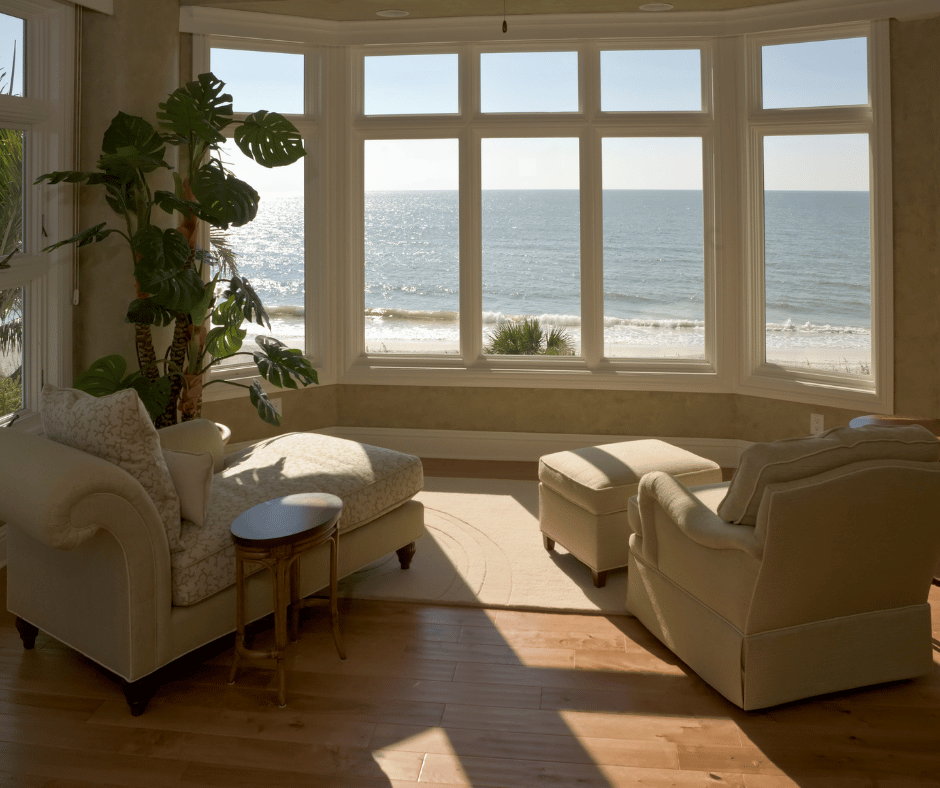
We often think of wellness as something we practice through food, movement, skincare, and mindset—but the truth is, wellness also lives in our surroundings. The spaces we wake up in, cook in, and wind down in every day quietly shape how we feel, how we care for ourselves, and even how we manage stress. That’s why kitchens and bathrooms play such a powerful role in supporting a healthy, balanced lifestyle.
Self-care doesn’t start at the yoga studio or the spa. It starts at home.
The Kitchen: Where Nourishment and Wellness Begin
The kitchen is more than a place to cook—it’s where nourishment, routine, and connection come together. A well-designed kitchen makes healthy choices easier and daily rituals more enjoyable.
Wellness-focused kitchen design often includes:
-
Clean, uncluttered layouts that reduce stress
-
Ample counter space for meal prep
-
Natural lighting that supports mood and energy
-
Easy-to-clean, non-toxic surfaces
-
Thoughtful storage that encourages organization
When your kitchen feels calm and functional, cooking becomes less of a chore and more of a nourishing ritual. It supports better eating habits, more mindful moments, and a deeper connection to the food that fuels your body.
When It’s Time to Reimagine Your Space
Sometimes small changes aren’t enough. When layouts no longer support your lifestyle or your wellness needs evolve, a full kitchen or bathroom remodel can be a powerful reset. Working with experienced kitchen and bath contractors allows homeowners to transform outdated spaces into environments that truly support health, comfort, and long-term well-being.
The Bathroom: Your Everyday Sanctuary
Bathrooms may be the most underrated wellness spaces in the home. From morning routines to nightly wind-down rituals, this is where we reset, reflect, and care for ourselves—sometimes in just a few quiet minutes a day.
Wellness-centered bathroom features often include:
-
Soft, natural lighting
-
Soothing color palettes
-
Proper ventilation for cleaner air
-
Walk-in showers or soaking tubs for relaxation
-
Non-toxic finishes and materials
These small design choices create a space that supports relaxation rather than rush. When your bathroom feels peaceful, your daily routines naturally become more grounding and restorative.
How Home Design Affects Mental and Physical Well-Being
Cluttered, outdated, or poorly designed spaces can quietly drain energy and increase stress. Tight layouts, poor lighting, and lack of storage often create friction in daily habits—especially during already busy mornings and long evenings.
On the other hand, intentional design supports:
-
Better organization and flow
-
Easier self-care routines
-
Reduced stress and sensory overload
-
Improved mobility and comfort
-
A stronger emotional connection to your home
Design is not just aesthetic—it directly influences how your nervous system responds to your environment.
Creating a Home That Heals With You
Your wellness journey changes over time—and your home should be able to change with you. Whether you’re focusing on clean living, better routines, mindful mornings, or slower evenings, your space should support those goals rather than fight against them.
Wellness isn’t about perfection. It’s about creating an environment that makes taking care of yourself feel natural, accessible, and calming.
When your kitchen nourishes you and your bathroom restores you, your home becomes more than just a place to live—it becomes a place to heal, recharge, and thrive.